
What Are Cataracts?
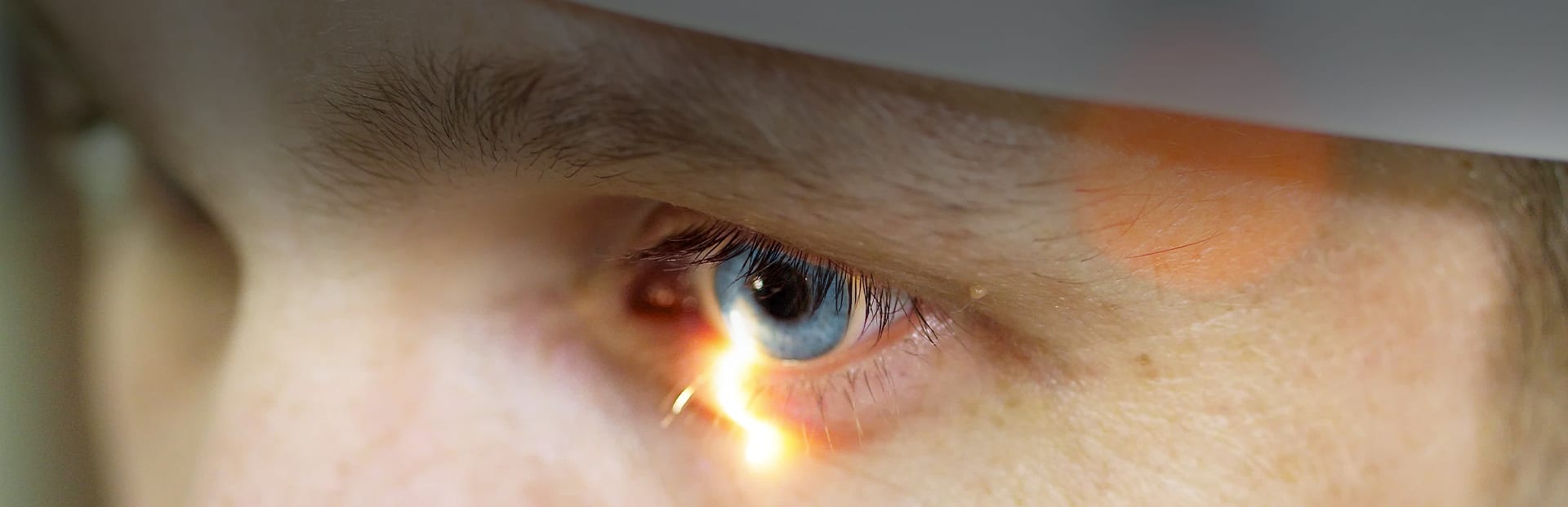
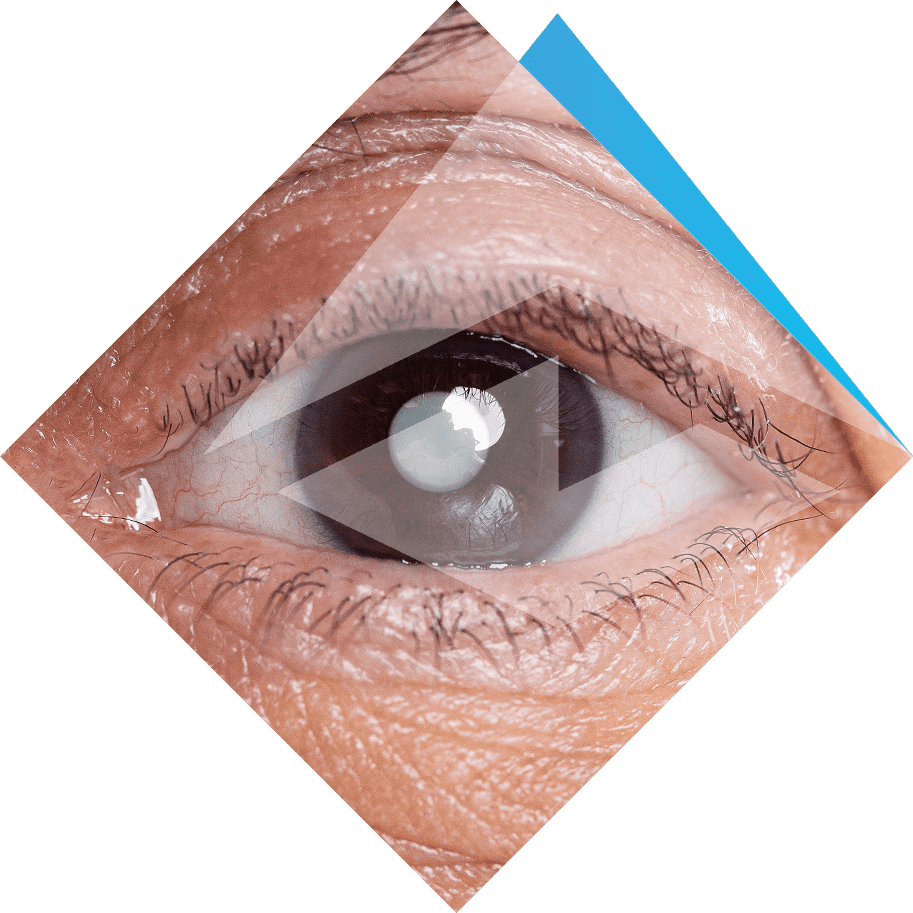
Inside our eyes is a lens that helps us focus, tracking objects near and far. The lens is clear, allowing light to move through easily. However, like a smudge on a camera lens, a spot or cataract on the eye’s lens can obscure images.
A cataract is formed by deteriorated proteins in the eye’s lens. Cataracts are a natural part of aging but can develop prematurely or worsen because of health or lifestyle factors. Over time, cataracts can severely impair vision.
Cataract surgery can help restore clear vision. Reach out to discuss how our team at Prism Eye Institute can help.
Cataract Symptoms
Cataract symptoms can include:
- Blurry vision (near & far)
- Glare & halos around lights
- Difficulty seeing at night
- Seeing double
During early development, blurred vision may be corrected with glasses or contact lenses. However, prescription lenses usually become ineffective for late-stage cataracts.
Preserving Vision After Cataracts
Cataracts are a leading cause of blindness in Canada. Although aging is unavoidable, there are ways you can help preserve your vision. After being diagnosed with cataracts, you may find the following tips helpful:
- Have regular, comprehensive eye exams
- Protect your eyes from UV light
- Take care of your health
- Update your lens prescription regularly
- Consider cataract surgery
What Is Cataract Surgery?
Cataract surgery is generally considered a safe, low-risk procedure, and thousands of Canadians have cataract surgery each year. The procedure removes the eye’s cloudy lens and replaces it with a clear, artificial lens. The new lens is called an intraocular lens (IOL).
An IOL functions similarly to a normal healthy lens, or you may invest in a lens with particular features to enhance visual performance. After surgery, we can provide recommendations to support recovery and healthy vision for life, such as wearing sunglasses or applying eye drops.
Frequently Asked Questions
Am I allowed to bend after surgery? If so, how far?
In general, you may bend as low as your hips. Avoid bending so low that your head is below your waist for about one week unless otherwise advised by your doctor.
Am I allowed to bathe or shower? What if water or soap gets in my eye? Should I put a patch on my eye when I wash?
You may bathe or shower normally. Close your eyes to avoid direct contact with soap or water. Do not attempt to patch the eye before bathing.
When should I resume taking my normal medicines? What about aspirin, coumadin or other blood thinners?
Resume taking all your medicines, without exception, immediately after surgery unless your doctor specifically instructs you otherwise.
Some of my eye drop bottles look empty or small, and I don’t think I’ll have enough. Should I ask for a refill prescription?
Your bottles have the right amount of medication in them. You do not need any refills. Simply use your eye drops until the bottles are empty. Some may be used up before others.
What do I do if I think I missed my eye when administering drops? Will I overdose if I put in too many drops?
No. You will not overdose. If you miss your eye, you should try again.
How long should I wait between drops if I use more than one kind? Does the order matter?
You should wait five minutes between your different drops. The order does not matter.
What about my glaucoma drops?
If you only had cataract surgery, use your glaucoma eye drops before and after surgery.
If you have had cataract and glaucoma surgery together, DO NOT use your glaucoma drops in the eye that was operated on until your doctor tells you to. Continue using your usual glaucoma drops in the other eye.
What should I do with my old glasses? Are they safe to wear?
You will not harm your eyes by wearing your old glasses. However, you may prefer not wearing them since, in most cases, your vision will have improved after surgery, particularly your distance vision.
When do I have to wear sunglasses (solar shields)?
Wear sunglasses outdoors for one week after surgery. It is optional to wear them indoors.
My vision on the first day is blurrier than I thought it would be. Should I be concerned?
Vision in the first week is different for everyone and does not indicate a bad outcome. If you have concerns, speak to your doctor.
Why are some of my appointments after surgery with different doctors?
Depending on scheduling, you may be asked to see one of the other doctors on our team for some of your immediate care after surgery.
Do I have to have my other eye operated on right away? When is it safe to do so?
You do not urgently need to schedule surgery for your other eye; however, it is safe to do so as soon as you and your doctor decide surgery on the second eye is indicated.
I had cataract and glaucoma surgery at the same time. I have more than one appointment in the same week. Is this a mistake?
No. You need to attend all scheduled visits.
When should I get a new prescription to update my glasses?
Typically, about one month after surgery is a good time to check your glasses prescription.
If you have a doctor that usually checks your eyes for glasses, you should call his or her office and arrange this appointment yourself.
If you do not have a regular doctor who checks your eyes for glasses, or you usually see a doctor in this office, your glasses checkup is the last appointment scheduled on your post-operative surgical instruction card.
Looking Into Cataract Surgery
If your eye doctor has diagnosed you with cataracts, it may be time to consider cataract surgery. Your doctor may refer you to Prism Eye Institute. If you have questions about what to expect, request an appointment to speak to one of our doctors. We’re here to help.


Our Locations
Brampton
- 7700 Hurontario Street, Unit 605
- Brampton, Ontario L6Y 4M3
Monday to Saturday: by appointment only
OUR HOURS
- Monday: 7:30 AM – 6:00 PM
- Tuesday: 7:30 AM – 6:00 PM
- Wednesday: 7:30 AM – 6:00 PM
- Thursday: 7:30 AM – 6:00 PM
- Friday: 7:30 AM – 6:00 PM
- Saturday: 8:00 AM – 2:00 PM
- Sunday: Closed
Mississauga-Oakville
- 2201 Bristol Circle, Suite 100
- Oakville, Ontario L6H 0J8
Monday to Saturday: by appointment only
OUR HOURS
- Monday: 7:30 AM – 6:00 PM
- Tuesday: 7:30 AM – 6:00 PM
- Wednesday: 7:30 AM – 6:00 PM
- Thursday: 7:30 AM – 6:00 PM
- Friday: 7:30 AM – 6:00 PM
- Saturday: 8:00 AM – 2:00 PM
- Sunday: Closed
Our Brampton


Our Mississauga-Oakville
Gallery